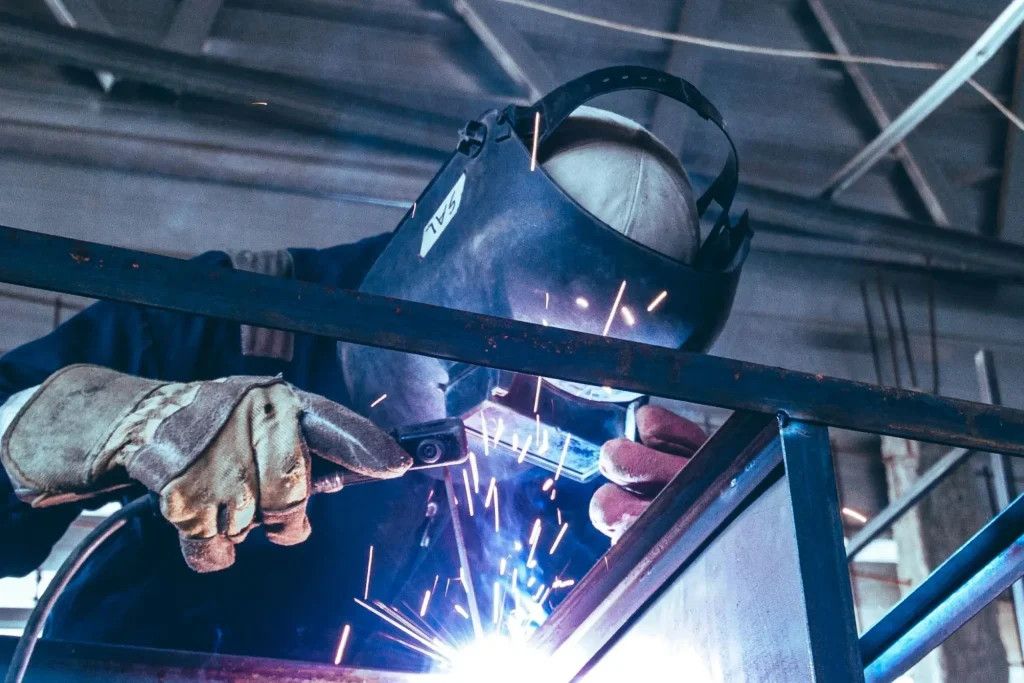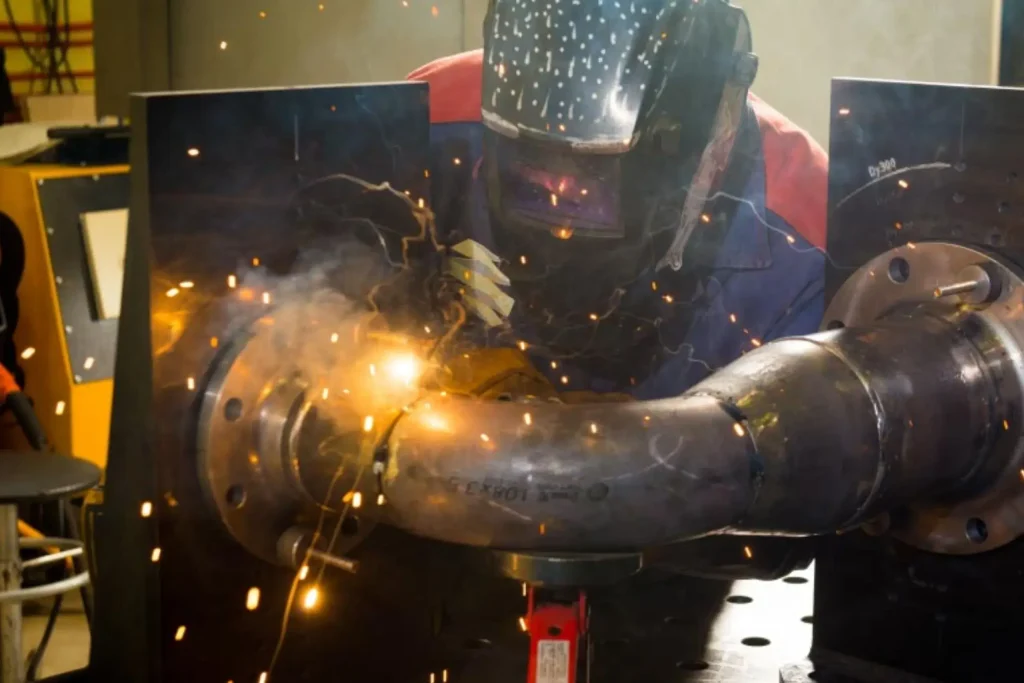
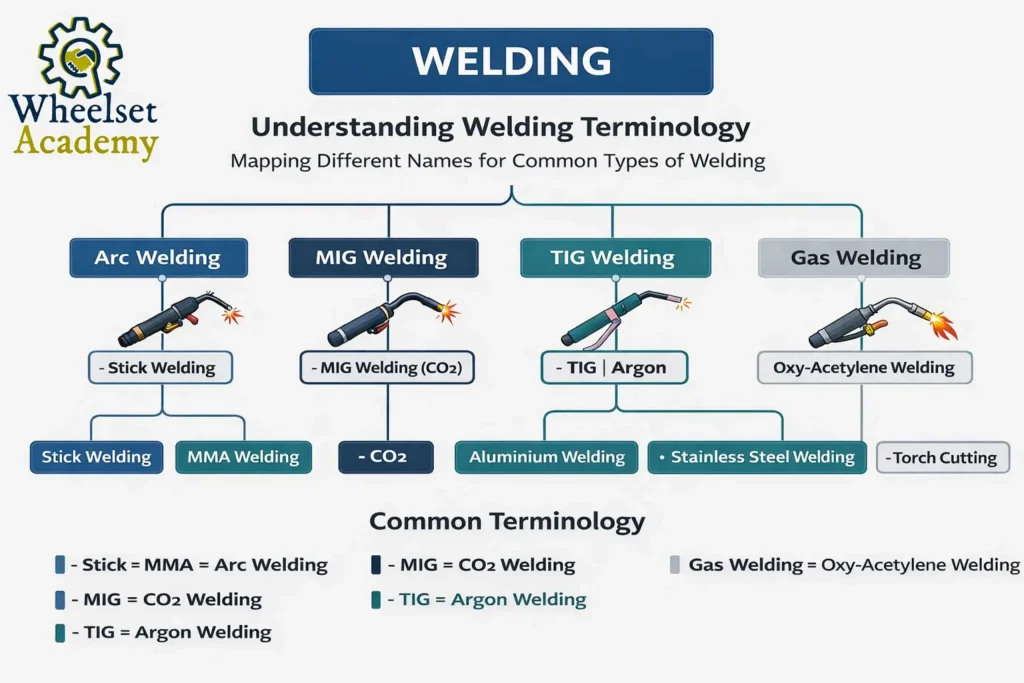
Our welding short courses are designed for learners who want practical, job-focused welding skills in a shorter period. They introduce the core tasks used in arc welding, MIG welding, TIG welding, gas welding, and torch cutting. As a result, learners build confidence while gaining useful hands-on workshop skills for entry-level work and future career growth.
At Wheelset Academy, we offer affordable welding course fees and flexible payment plans to make training more accessible. This practical welding training focuses on real workshop value from the start. It covers welding equipment, consumables, welding positions, torch handling, joint and groove design, weld defects, basic welding techniques, and safe workshop practice.
In addition, the course is ideal for beginners who want a strong foundation before progressing to more advanced welding training, coded welding preparation, or a full artisan pathway. Learners also develop an understanding of safety precautions, personal protection, tools, materials, and weld quality inspection, which are essential in modern fabrication and engineering environments.
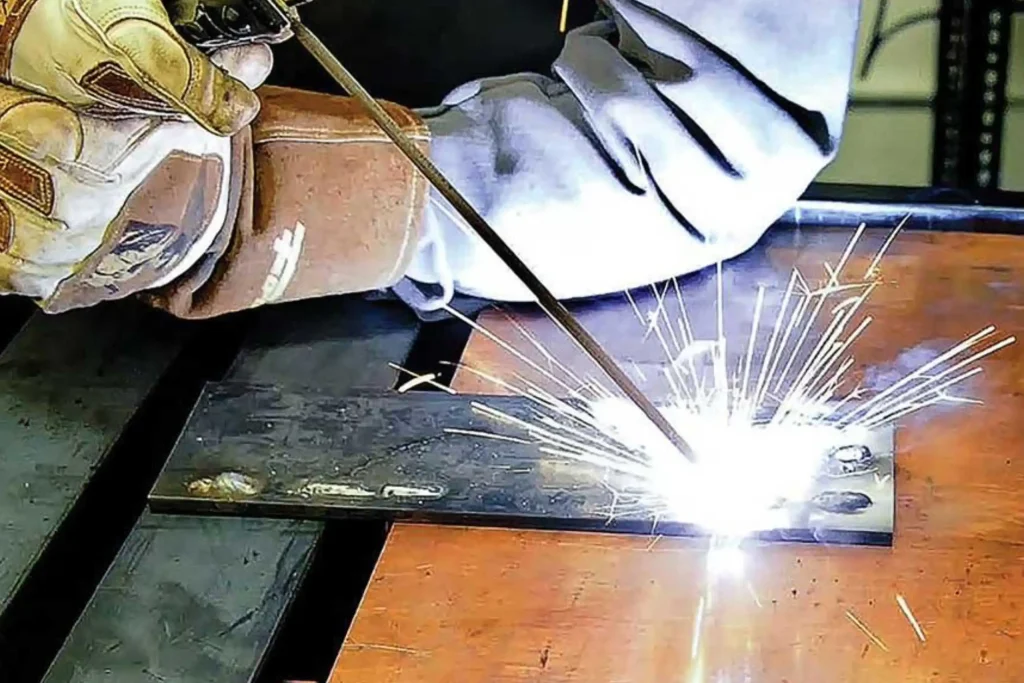
The arc welding short course is designed to give learners practical skills in MMA welding and basic pipefitting applications. The course covers the equipment used in arc welding, the correct use of MMA welding electrodes, welding techniques, weld symbols, common weld defects and their causes, and the safety precautions linked to arc welding. Learners also practise important weld joints and positions, including fillet and groove welds, vertical-up butt joints, overhead fillet joints, and positions such as 1G, 2G, 4G, and 5G. This makes the course ideal for beginners who want hands-on workshop experience and a solid foundation in arc welding short courses.
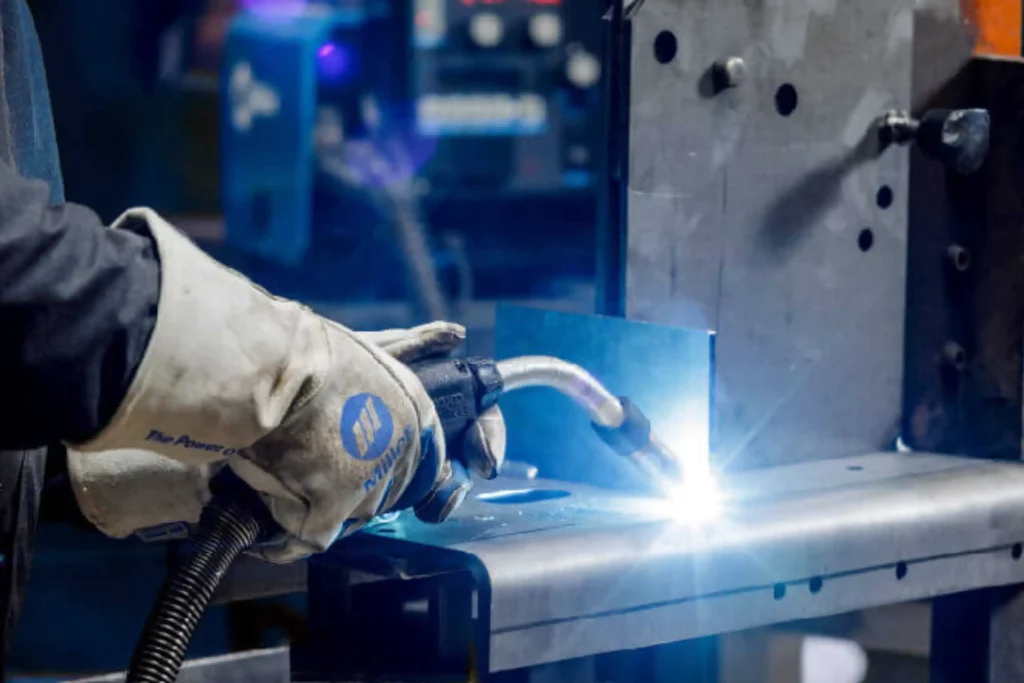
The CO2 welding course focuses on practical MIG welding skills for learners who want to work with different metals and improve their performance in various welding positions. The training covers the use of MIG welding equipment, an introduction to common welding processes, GMAW equipment and consumables, joint and groove designs, welding positions, torch manipulation, weld defects, and safety precautions. In a stronger training context, this means learners are taught how to set up equipment correctly, control the torch properly, prepare joints for sound welds, and recognise problems that affect weld quality. This makes the programme suitable for those looking for CO2 welding course training with practical workplace value.
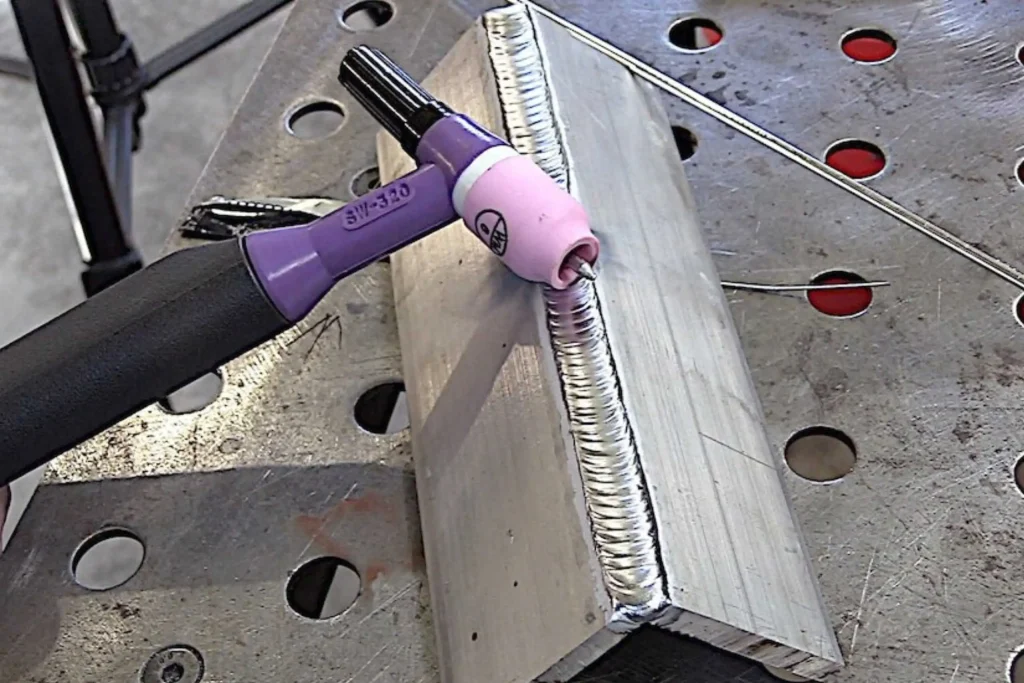
The TIG welding short course is designed for learners who want clean, precise, and controlled welding skills. The course begins with a TIG overview and then covers power sources, the types of welding current used for TIG, and the characteristics of current types used in gas tungsten arc welding. Learners are introduced to the TIG torch, torch nozzle selection, gas lens benefits, regulators, connection diagrams, tungsten selection and preparation, tungsten colour codes, TIG wires, shielding gas selection, and typical TIG welding parameters. The course also includes guide settings for gas flow, current and cup selection, torch and rod positioning, pulsed TIG, personal protection, weld quality inspection, and TIG troubleshooting. In practice, this gives learners a strong foundation in precision welding, weld appearance, heat control, and professional finishing.
The gas welding short course covers the principles of operation, welding safety, equipment setup, shutdown procedures, and common welding applications. It also includes weld and joint design, welding procedure variables, pre-weld preparations, welding discontinuities and problems, torch lighting procedures, different flame settings, cutting techniques, and profile cutting. Because the attached page refers to plating torch cutting and gas welding, this course clearly combines practical gas welding with torch cutting skills. A stronger description for website use is that learners are trained to handle oxy-acetylene welding equipment safely, set the correct flame, prepare workpieces, apply proper heating techniques, and perform basic gas welding and cutting operations with confidence.
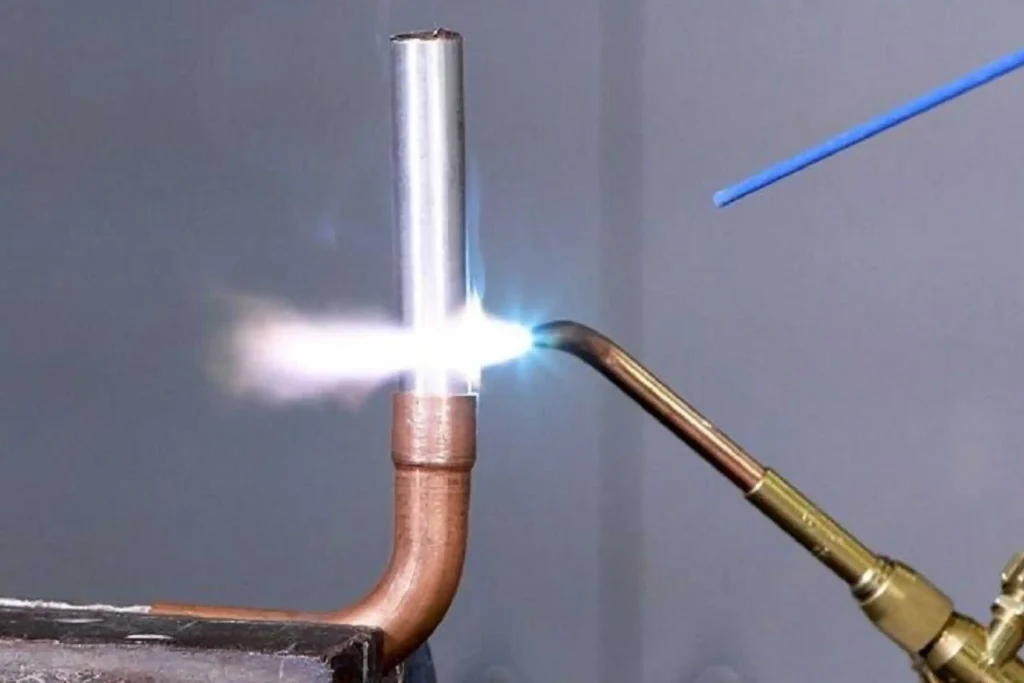
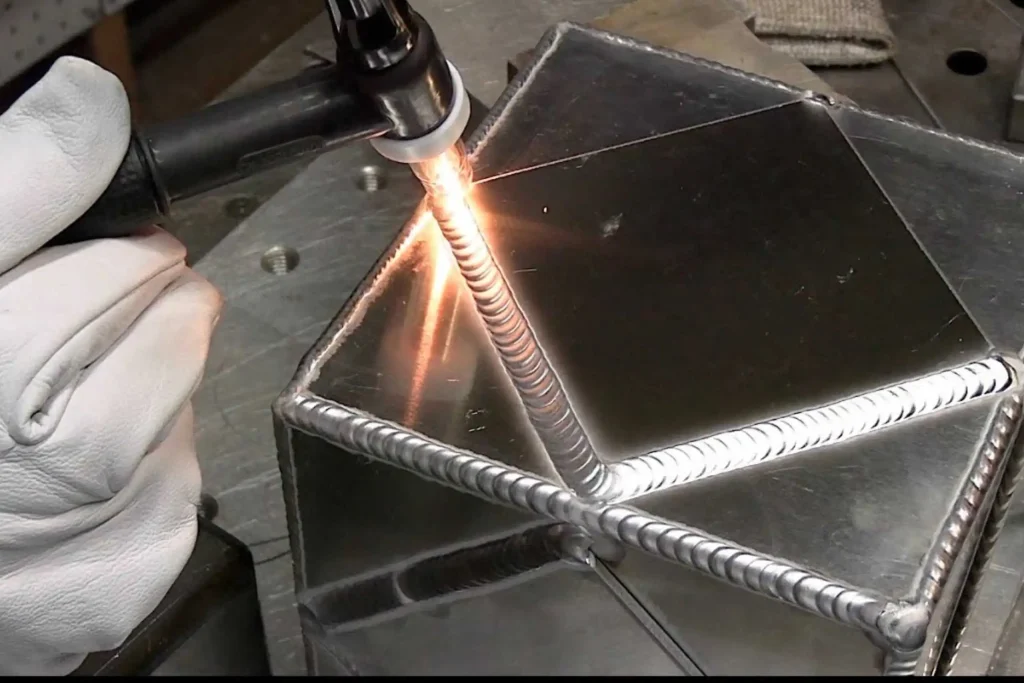
The aluminium welding course is designed to help learners build practical skills for welding aluminium in fabrication, repair, and workshop environments. The course covers aluminium preparation, cleaning methods, MIG and TIG process selection, machine setup, shielding gas, filler wire use, torch control, heat management, welding positions, weld defects, and safe working practice. Because aluminium behaves differently from mild steel, this training helps learners understand how to produce cleaner, stronger, and more controlled welds. It is ideal for learners who want to expand their MIG or TIG skills into more specialized aluminium welding work.
The Beginner to Advance Welding Course is a 4-week practical programme that helps learners build from basic to advanced skill level in their chosen welding type. The first 2 weeks cover basic training, while the final 2 weeks focus on advanced practical development. Learners choose the welding process they want to specialise in, and those in arc welding may also be introduced to advanced positions such as 6G pipe welding. Entry requires proof of prior knowledge or completion of a basic welding course.
Have a question? Fill out the form and we’ll get back to you quickly to help you start your Safety Officer course.
EXCELLENTTrustindex verifies that the original source of the review is Google. The experience was great. The facilitators make sure you understand how the machine operates. And they take you through every step of the wayTrustindex verifies that the original source of the review is Google. I had a good experience with the academy. Friendly staff and it went smoothTrustindex verifies that the original source of the review is Google. They have given excellent training with patient facilitation of teaching and giving advice calmly when you make a mistake so that you don’t panic. Overall they have great customer experience as they are quick to answer all the questions you might have on a course or any information you might need.Trustindex verifies that the original source of the review is Google. Trustindex verifies that the original source of the review is Google. Excellent serviceTrustindex verifies that the original source of the review is Google. Trustindex verifies that the original source of the review is Google. I’m happy I got my ADT Dump truck Certificate, the training was great.
Owner's reply
Great work! You’ve earned itShowing our latest reviewsVerified by TrustindexTrustindex verified badge is the Universal Symbol of Trust. Only the greatest companies can get the verified badge who has a review score above 4.5, based on customer reviews over the past 12 months. Read more
The arc welding short course is designed to give learners practical, job-focused skills in Manual Metal Arc (MMA) welding and basic pipefitting applications. MMA welding, also known as stick welding, is one of the most widely used welding methods in fabrication, construction, maintenance, and repair work because it is versatile, reliable, and suitable for different working environments. The course covers the equipment used in arc welding, the correct selection and use of MMA electrodes, welding techniques, weld symbols, common weld defects and their causes, and the safety precautions linked to arc welding. These areas are important because they help learners understand not only how to produce a weld, but also how to produce a weld that is safe, strong, and acceptable in industry. Learners also practise important weld joints and welding positions. For example, fillet welds are triangular welds commonly used to join two metal surfaces at right angles, while groove welds are made in a prepared gap between two metal pieces to achieve deeper penetration and stronger joining. They also learn vertical-up butt joints, where two plates are joined edge to edge in an upward direction, and overhead fillet joints, where welding is done from underneath the joint. These practical exercises are important because they build control, technique, and confidence in positions that are commonly tested and used in real workshop and site conditions. In addition, the course introduces coded welding positions such as 1G, 2G, 4G, and 5G. Here, the letter G means groove weld. 1G refers to a flat groove weld position, 2G is a horizontal groove weld position, 4G is an overhead groove weld position, and 5G is a pipe welding position where the pipe remains fixed and the welder must move around it. These position codes are important because they are standard industry and trade test references used to assess a welder’s ability in different welding situations. Overall, this course is ideal for beginners who want hands-on workshop experience and a solid foundation in arc welding short courses. It gives learners the practical skills, technical understanding, and safety awareness needed to start building a career in welding and metalwork.
The CO2 welding course is designed to give learners practical, job-focused skills in Metal Inert Gas (MIG) welding, also commonly known in many workshops as CO2 welding. In industry, the term CO2 welding is often used because carbon dioxide (CO2) is commonly used as a shielding gas, either on its own or in a gas mixture, to protect the weld pool from contamination. MIG welding is important because it is fast, efficient, and widely used in manufacturing, fabrication, automotive work, and general metal production. It is especially valued for producing clean welds with good speed and productivity.
The course covers the use of MIG welding equipment, an introduction to common welding processes, Gas Metal Arc Welding (GMAW) equipment and consumables, joint and groove designs, welding positions, torch manipulation, weld defects, and safety precautions. GMAW is the formal technical name for MIG welding. It is important for learners to know this meaning because they may see the term GMAW in training manuals, technical documents, workplace procedures, and trade test preparation materials. The course also helps learners understand how the welding machine, wire feed system, welding torch, shielding gas, and filler wire work together to create a stable and effective weld.
Learners are introduced to joint and groove design, which refers to how metal is prepared before welding so that the weld can achieve good penetration, strength, and appearance. This is important because poor joint preparation often leads to weak welds, defects, and wasted material. The course also includes welding positions, which are the different ways a welder may need to weld depending on how the workpiece is placed, such as flat, horizontal, vertical, or overhead. These positions matter because welders in the real world rarely work in only one position, so practice in multiple positions builds confidence and skill.
Another important part of the course is torch manipulation, which means learning how to control the welding torch angle, travel speed, arc length, and movement. This is essential because good torch control affects bead shape, penetration, fusion, and overall weld quality. Learners also study weld defects, which are faults such as porosity, lack of fusion, undercut, overlap, or spatter. Understanding these defects and their causes is important because it helps learners troubleshoot problems, improve weld quality, and meet workplace standards.
In addition, the course emphasizes safety precautions in CO2 welding course training. This includes safe handling of gas cylinders, electrical safety, correct use of personal protective equipment, ventilation, and awareness of sparks, heat, and fumes. Safety is important because welding involves high temperatures, electrical current, and pressurized gas systems that can cause serious injury if handled incorrectly.
Overall, this CO2 welding course training is ideal for learners who want practical, workshop-based experience in MIG welding. It provides the technical understanding, hands-on skill, and safety awareness needed to produce sound welds and prepare for entry-level welding work in fabrication and industrial environments.
TIG welding, which stands for Tungsten Inert Gas welding, is a precise welding process that uses a non-consumable tungsten electrode to create the arc while an inert shielding gas, usually argon, protects the weld area from contamination. TIG welding is important because it produces clean, neat, and high-quality welds, especially on thinner materials and metals such as stainless steel and aluminium. It is widely used in fabrication, pipework, automotive work, food-grade equipment, and other applications where appearance, control, and weld quality matter.
The TIG welding short course covers the basic principles of TIG welding, including the TIG welding process overview, power sources, types of current, TIG torch parts, torch nozzle selection, gas lens use, regulators, connection diagrams, tungsten types and colour codes, tungsten preparation, TIG filler wires, shielding gas selection, and typical welding parameters. Learners also study gas flow settings, current settings, cup sizes, torch and rod angles, pulsed TIG, welding safety, personal protective equipment, weld quality inspection, and common TIG troubleshooting. These topics are important because they help learners understand how to set up the equipment correctly, control the weld pool, avoid contamination, and produce clean, accurate welds.
In addition, learners practise the correct handling of the torch and filler rod, which is essential for building coordination, precision, and consistency. Overall, this course is ideal for learners who want hands-on experience and a strong foundation in TIG welding short courses, especially for work that requires accuracy, clean finishing, and professional weld quality.
Gas welding is a welding process that uses a flame produced by fuel gas and oxygen to heat and join metal. At Wheelset Academy, this mainly refers to oxy-acetylene welding, where oxygen and acetylene are combined to create a controllable flame for welding, heating, and cutting. Gas welding is important because it helps learners understand flame control, heat application, metal preparation, and basic welding techniques that are still useful in fabrication, repair, maintenance, and workshop practice.
The gas welding short course covers the principles of operation, welding safety, equipment setup, shutdown procedures, and common welding applications using oxy-acetylene equipment. Learners are introduced to the main parts of the system, including cylinders, regulators, hoses, torches, and nozzles, and they learn why each part is important for safe and effective work. The course also covers weld and joint design, welding procedure variables, pre-weld preparation, welding discontinuities and common problems, torch lighting procedures, flame settings, cutting techniques, and profile cutting. These topics are important because they help learners understand how to prepare materials correctly, set the right flame, control heat, and produce better-quality work.
In addition, learners are trained to handle oxy-acetylene equipment safely, prepare workpieces, apply proper heating techniques, and perform basic gas welding and cutting operations with confidence. They also learn how different flame types affect the weld and why correct shutdown procedures matter for safety. Overall, this gas welding short course is ideal for beginners who want practical hands-on skills in oxy-acetylene welding and cutting, while building a strong foundation for workshop work and future welding growth.
The aluminium welding course is designed for learners who want practical skills in welding aluminium for fabrication, repair, and light industrial applications. Aluminium welding is important because aluminium is widely used in transport, construction, manufacturing, trailers, tanks, frames, and many other products that need a material that is strong, lightweight, and corrosion resistant. However, aluminium also requires special care during welding because it conducts heat quickly, can distort easily, and needs proper surface preparation and technique to produce quality welds.
This course introduces learners to the key principles of aluminium welding and explains why the correct welding process matters. Learners are taught that aluminium is commonly welded using Metal Inert Gas (MIG) welding, also called Gas Metal Arc Welding (GMAW), and Tungsten Inert Gas (TIG) welding, also called Gas Tungsten Arc Welding (GTAW). These processes are important because they allow welders to produce clean, controlled, and effective welds on aluminium depending on the thickness of the material and the type of job being done.
The course covers aluminium material preparation, cleaning techniques, welding safety, machine setup, shielding gas use, filler wire selection, torch handling, heat control, and welding techniques for aluminium joints. These topics are important because aluminium must be cleaned properly before welding, and the correct settings must be used to avoid contamination, porosity, weak fusion, burn-through, or poor weld appearance. Learners are also introduced to common aluminium weld joints, practical welding positions, and the causes of common weld defects so that they can understand how to improve weld quality in real workshop conditions.
In addition, the course develops practical confidence in handling aluminium workpieces and controlling the weld pool correctly. Learners practise joining aluminium in a way that supports strength, neat finish, and good workmanship. They also learn safe working practices, including the use of personal protective equipment, safe handling of hot materials, and awareness of fumes, sparks, and electrical hazards in the workshop.
Overall, this aluminium welding course is ideal for learners who already have a basic understanding of MIG or TIG welding and want to move into more specialized practical training. It helps learners build the knowledge, technique, and confidence needed to weld aluminium more effectively and prepare for fabrication work, workshop tasks, and future welding growth.
The Beginner to Advance Welding Course is designed for learners who want to grow from basic welding practice to a more advanced level in their chosen welding process. The programme is structured over 4 weeks, with the first 2 weeks focusing on basic skills and the last 2 weeks focusing on advanced practical training. Learners choose the specific welding type they want to develop in, such as arc welding, CO2/MIG welding, TIG welding, or gas welding, and then build deeper skill, control, and confidence in that area.
During the advanced phase, learners strengthen their ability in more demanding joints, positions, and workshop applications. For learners specialising in arc welding, this may also include introduction to more difficult pipe welding positions such as 6G . It is important because it is one of the most challenging welding positions and helps learners improve technique, control, and readiness for higher-level practical work.
This course is best suited to learners who can already demonstrate basic welding knowledge or who have completed a previous introductory welding course. Overall, it is ideal for those who want to move beyond the basics and develop stronger, more job-ready skills in their preferred welding field.
Copyright © 2026 Wheelset Academy | Empowering Skills for the Future