Students

Alumni

Posts

Accommodation

Career

Donate

Start Your Successful Career with the Best Accredited Boilermaker Course

Occupational Certificate: Boilermaker (NQF Level 4)

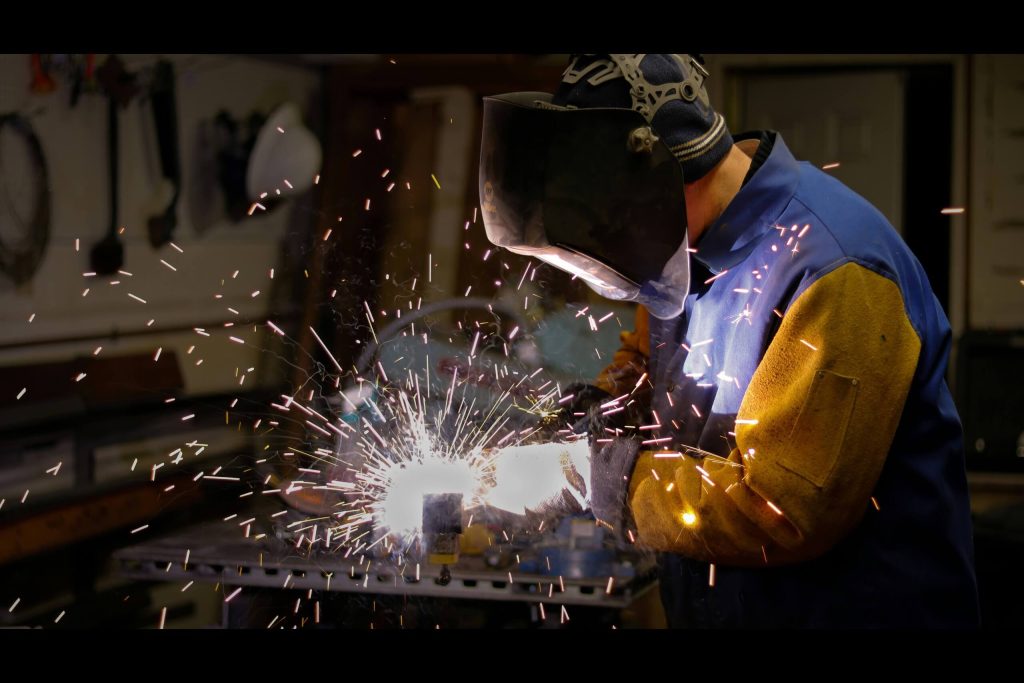
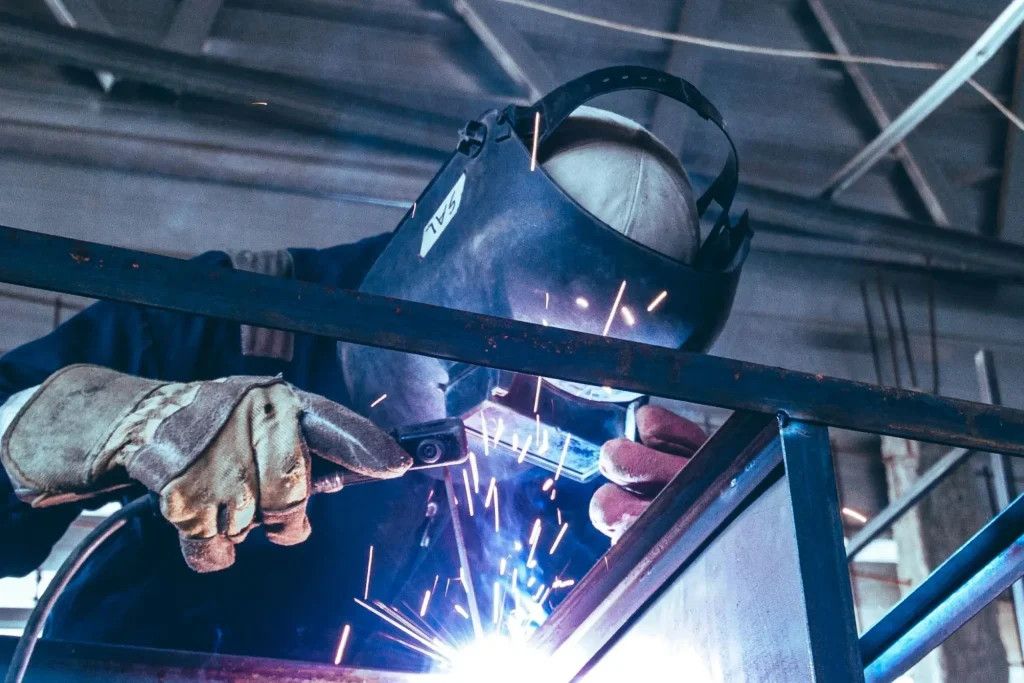
Become a qualified Boilermaker Artisan through our industry-focused Boilermaker Course, carefully designed to prepare learners for careers in fabrication, welding, structural steel construction, and heavy industrial engineering. Through this programme, the Boilermaker training equips learners with the knowledge and practical skills required to fabricate, assemble, install, and repair metal structures such as tanks, boilers, pressure vessels, pipes, and structural components used in industries like mining, construction, manufacturing, and engineering.

In addition, this Boilermaker trade training combines theoretical knowledge, practical workshop training, and workplace exposure to ensure learners become competent Boilermaker artisans who are fully prepared for the Boilermaker trade test. Therefore, if you are looking for a Boilermaker training course in South Africa, Wheelset Academy provides practical skills aligned with industry requirements to help learners prepare for the Boilermaker trade test and access real employment opportunities in the engineering and fabrication industries.

If you are searching for a professional boilermaker training centre in South Africa, Wheelset Academy offers practical training aligned with industry standards and artisan development pathways.

Why Choose Our Boilermaker Course?

The Boilermaker trade is one of the most respected engineering trades in the world. As a result, skilled Boilermakers are in high demand in industries such as mining, petrochemical plants, construction, fabrication workshops, and manufacturing.

Therefore, our Boilermaker apprenticeship and Boilermaker training course focus on developing job-ready artisans capable of working in industrial environments. By completing this Boilermaker course, learners gain the practical experience and technical competence required to progress towards the Boilermaker trade test certification.

Furthermore, learners who complete the Boilermaker training course will gain the knowledge and practical skills required to work in mining companies, engineering fabrication workshops, petrochemical plants, construction projects, shipbuilding industries, and industrial manufacturing facilities.

Skills You Will Gain in the Boilermaker Course

Through our Boilermaker Course, learners develop critical engineering and fabrication skills. These competencies help prepare learners for artisan work environments. Learners will gain skills to:

Interpret engineering drawings and fabrication plans

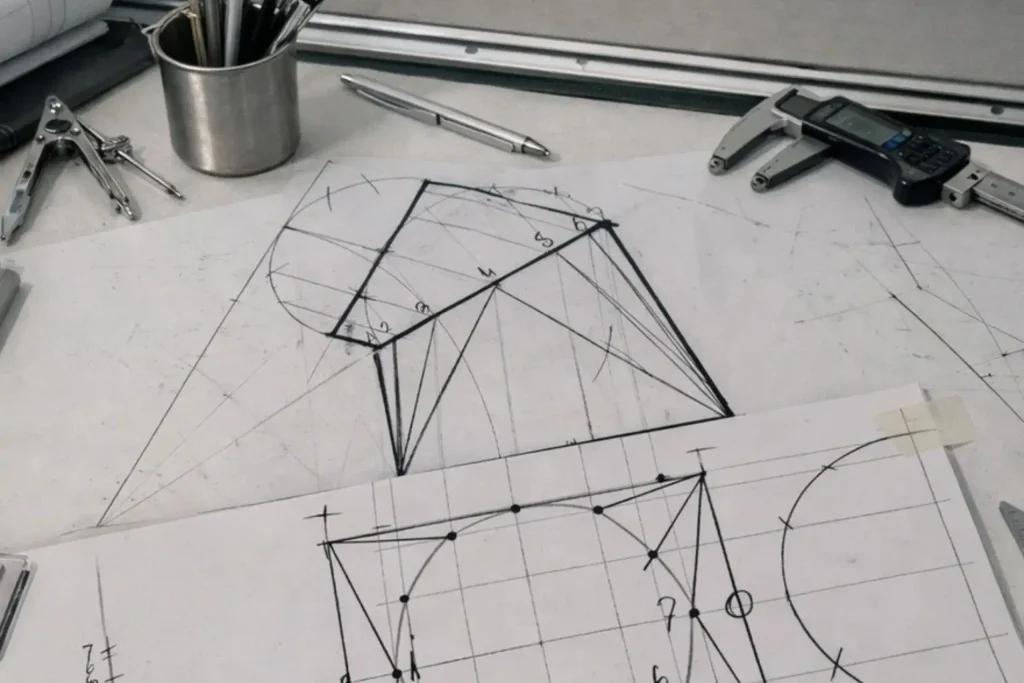
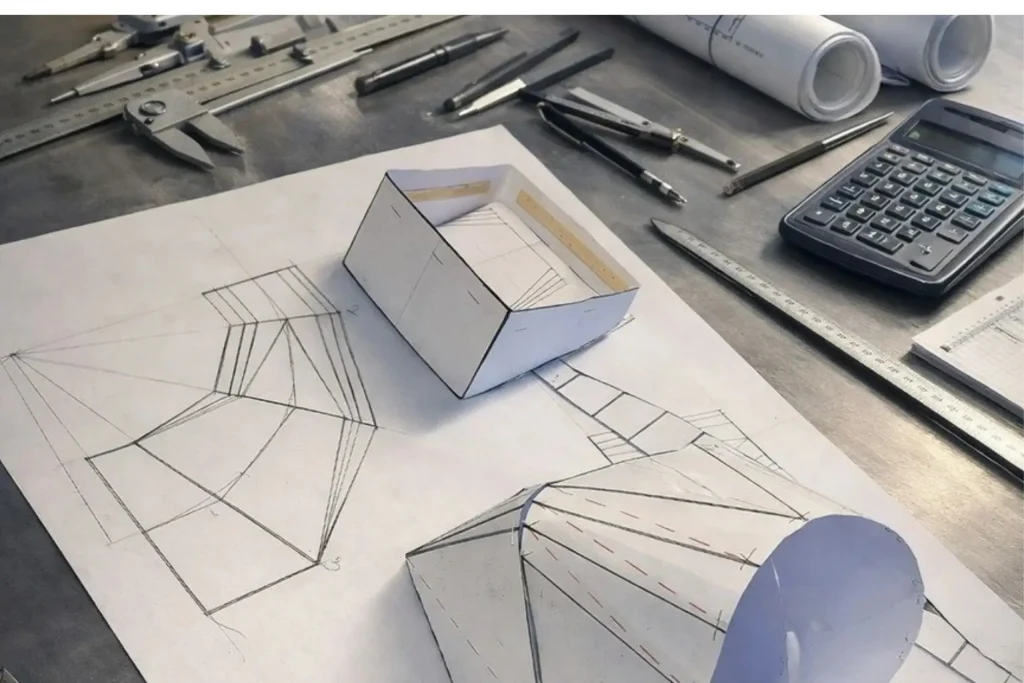
Develop templates and patterns for metal fabrication

Operate fabrication machines and tools

Perform welding and gas cutting operations

Assemble structural steel components

Fabricate tanks, vessels, pipes and metal structures

Perform inspections and quality checks on welded structures

Apply workplace safety and engineering standards

Boilermaker Course outcomes

After completing this Boilermaker trade training programme, learners will be able to:

Work as a qualified Boilermaker apprentice or fabrication artisan

Perform metal fabrication and pipework construction

Conduct arc welding, gas welding, MIG welding and TIG welding processes

Fabricate structural steel components and industrial equipment

Install and assemble heavy steel structures

Maintain fabrication equipment and machinery

Prepare for the Boilermaker trade test assessment

No Application Fee

Registration Fee (Annual)

R5,000

Portfolio of Evidence(POE)

R2,500

Boilermaker Course Price

Monthly Fee × 10 Instalments

R4,150/mo

Annual Tuition Fee

R49,000

Duration — 3 Years Full-Time | 4 Years Part-Time

Total Months Payable — 30 Months

Yes, our Boilermaker Course is aligned with the standards of the South African National Qualifications Framework for occupational qualifications.

To qualify for the Boilermaker Course or Boilermaker Apprenticeship, learners should meet the following requirements:

Boilermaker Course Essentials – From Rands to Results

Pricing & Payment Options

Full course fee or range Payment plan options Special discounts

Certification

Upon successful completion, learners receive a Letter of Competence from Wheelset Academy. Thereafter, once the required verification process is completed, an Occupational Certificate is issued by the QCTO and the relevant government authority, confirming the learner’s qualification and industry competence.

Schedule & Duration

Full course fee or range Payment plan options Special discounts

Delivery Method & Language

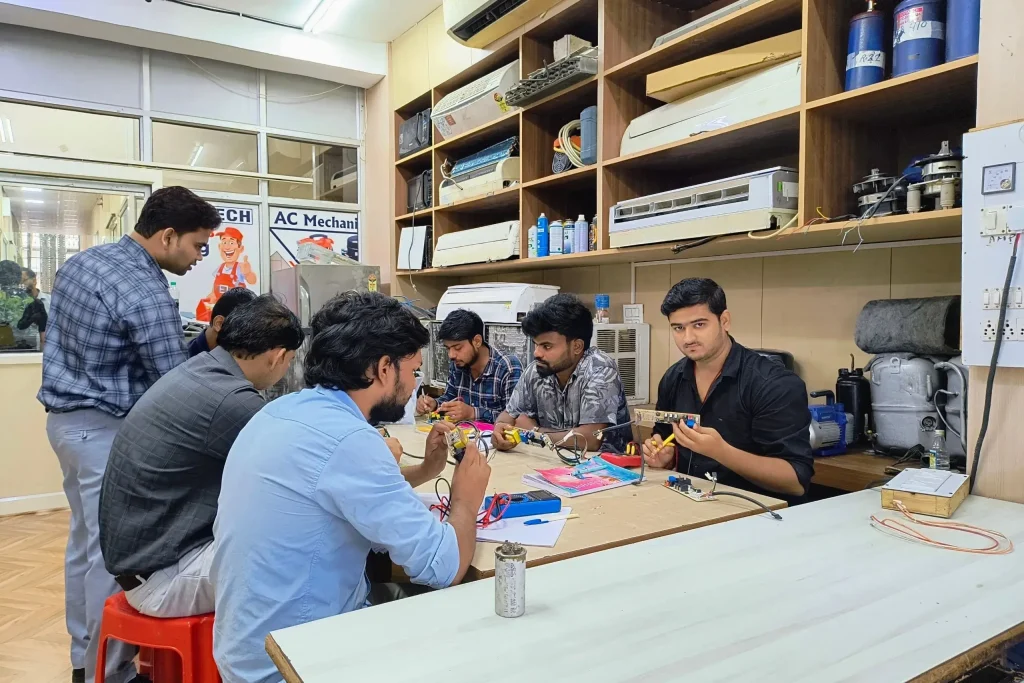
The course is taught in English and is delivered through interactive learning methods such as lectures, discussions, case studies, videos, and assessments. In addition, study options are flexible and may include classroom training, blended online learning, or on-site training, depending on learner and industry needs.

Career Opportunities

The Boilermaker trade offers strong employment opportunities in mining, manufacturing, engineering, and construction industries. As a result, graduates of the Boilermaker course can pursue a wide range of rewarding careers in the industrial sector. For example, qualified learners may work in various roles such as:

  • Boilermaker Artisan
  • Fabrication Technician
  • Structural Steel Fabricator
  • Pressure Vessel Fabricator
  • Pipe Fabrication Specialist
  • Industrial Maintenance Boilermaker
  • Welding and Fabrication Specialist

Boilermaker Course Content

The Occupational Certificate: Boilermaker consists of three main learning components: Knowledge Modules, Practical Skills Modules, and Workplace Experience Modules. Together, these components ensure that learners gain both strong theoretical knowledge and practical hands-on experience. As a result, graduates are well prepared for real industry work environments and are ready to progress towards the boilermaker trade test and artisan certification.

Knowledge Modules

There are six (6) Knowledge Modules (85 credits) in the Occupational Boilermaker Course

Introduction to the Boilermaker Trade
  • This module introduces learners to the boilermaker profession and industry opportunities. In addition, learners study workplace safety, environmental awareness, fabrication fundamentals, and quality assurance systems used in engineering workshops and industrial fabrication environments.

  • Learners study fabrication tools, machines, and materials used in the boilermaker trade. Furthermore, the module explains machine operation, tool maintenance, CNC technology, and the properties of metals commonly used in fabrication and engineering industries.
  • This module develops skills in template development, pipework fabrication, and complex metal shaping. Learners also learn layout techniques, marking-off methods, and fabrication procedures required to produce engineering components accurately.
  • Learners explore joining techniques used in steel fabrication. The module covers structural assembly methods, fastening techniques, lifting procedures, and hoisting operations used during the installation of heavy metal structures.
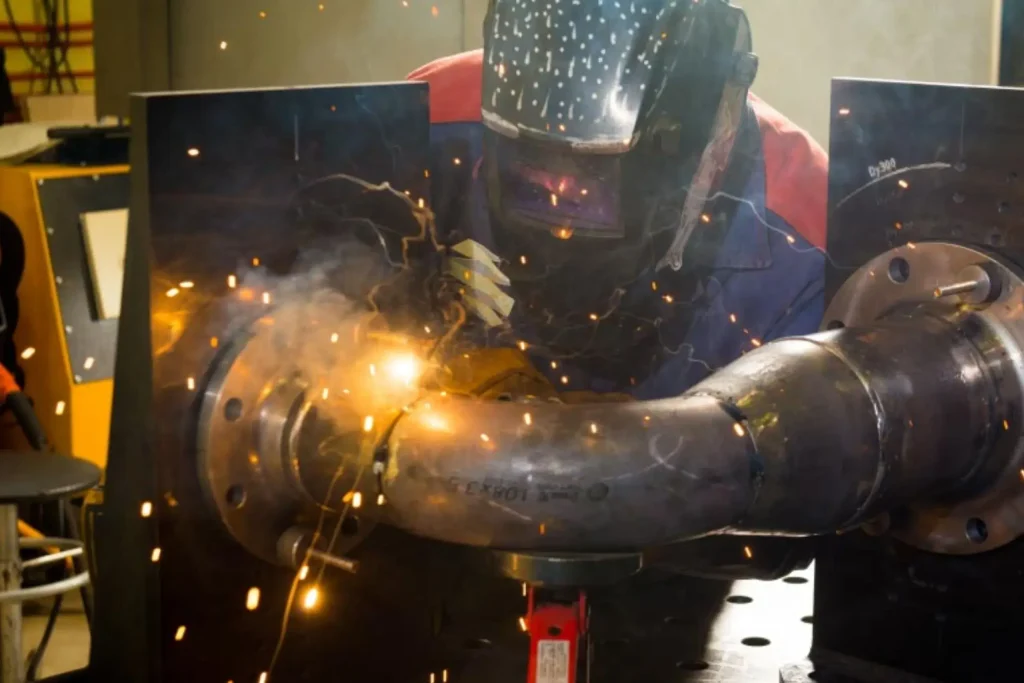
  • This module focuses on welding and cutting processes used in industrial fabrication. Learners study MIG, TIG, Arc welding, gas cutting, heat treatment, welding defects, and quality inspection techniques used in engineering workshops.
  • The main focus of the learning in this knowledge module is to build an understanding of workplace learning
    and development planning and reporting in terms of organisational requirements and regulatory provisions.

Practical Skills Modules

There are five (5) Practical Skill Modules (130 credits) in the Occupational Boilermaker Course

Visualise structures and components and develop templates according to set tolerances and / or standards whilst applying safety measures.
  • Learners practice visualising structural components and developing accurate templates for fabrication. The module focuses on precision measurement, layout techniques, and safe workshop practices.
  • This module develops hands-on skills in operating fabrication tools and machinery. Learners also practice equipment maintenance and safe operating procedures.
  • Learners perform welding and gas cutting operations for metal fabrication tasks. In addition, the module develops inspection skills to ensure weld quality and compliance with industry standards.
  • Learners gain practical skills in bending, shaping, and forming metal components. These techniques are essential for producing structural steel sections and fabrication components.
  • This module trains learners to assemble and repair large metal structures such as tanks, vessels, and steel frameworks while applying strict safety standards.

Workplace Experience Modules

There are five (5) Workplace Experience Modules (130 credits) in the Occupational Boilermaker Course

Pattern and template development processes
  • Learners gain workplace exposure to template development processes used in fabrication industries.

  • Learners practice maintaining and operating industrial fabrication equipment in real work environments.

  • This module provides real-world experience performing welding and cutting operations within engineering workshops or construction sites.

  • Learners participate in fabrication projects where metal structures are assembled and repaired according to engineering specifications.

  • This module exposes learners to real industrial assembly operations involving large steel structures and fabricated components.

CONTACT US​

Have a question? Fill out the form and we’ll get back to you quickly to help you start your Safety Officer course.

Contact Form Demo

Gallery

Boilermaker Course Frequently Asked Questions (FAQs)

A boilermaker course trains learners to fabricate, assemble, and repair metal structures such as tanks, boilers, and pipes used in industrial engineering.


Yes. The programme includes extensive workshop training, practical fabrication, and workplace experience modules. In fact, the qualification contains five Practical Skills Modules with a total of 130 credits, which represent a large portion of the training. This means learners spend significant time developing hands-on fabrication, welding, and assembly skills. As a result, the boilermaker course focuses strongly on practical competence, ensuring learners gain real industry experience and are well prepared for the boilermaker trade test.

A typical boilermaker apprenticeship lasts about 3 years to 4 years, including training, workplace experience, and preparation for the boilermaker trade test.

Most programmes require Grade 9 or NQF Level 1 with Mathematics and Science, as well as basic technical skills.

The boilermaker trade test is the final artisan assessment that evaluates practical fabrication and welding skills before certification.

Yes. After completing training and passing the final assessment, learners receive an Occupational Certificate issued by QCTO.

The boilermaker course price can vary depending on the training provider, course structure, and payment options offered by different institutions. In general, many boilermaker training centres charge an application fee, registration fee, Portfolio of Evidence (POE) fee, and tuition fees that may be paid either annually or through monthly instalments. For example, at Wheelset Academy, learners pay a once-off application fee of R500, an annual registration fee of R3,500, and a POE fee of R1,750, while tuition can be paid through monthly instalments of R3,500 or an annual tuition fee of R40,750. Because different institutions structure their fees differently, prospective learners should always check the full boilermaker course price and available payment plans before enrolling in a boilermaker apprenticeship programme.

You can study at a recognised boilermaker training centre such as Wheelset Academy, which provides practical artisan training.

Yes. The boilermaker trade offers strong employment opportunities in mining, engineering, construction, manufacturing, and energy industries. In addition, boilermakers play a critical role in building and maintaining the infrastructure that powers modern society. They fabricate and repair essential equipment such as pressure vessels, pipelines, storage tanks, boilers, and heavy steel structures used in power plants, factories, transport systems, and industrial facilities. As a result, skilled boilermakers contribute directly to economic development, industrial growth, and global infrastructure projects. Because industries worldwide rely on safe and durable metal structures, qualified artisans who complete a boilermaker course and obtain a boilermaker trade test certificate remain highly valued professionals with strong long-term career prospects.


Yes. Skilled boilermakers are recognised globally, especially in construction, shipbuilding, and industrial engineering sectors.

Related courses

Training and Development Practitioner course at Wheelset Academy

Training and Development Practitioner

Early Childhood Development Practitioner course training at Wheelset Academy

Early Childhood Development Practitioner

Learning and Development Professional course at Wheelset Academy

Learning and Development Professional